With all the paperwork now complete and sent to the LAA it’s now a waiting game. As I’m away for the first couple of weeks in September it looks likely that the first test flight will be around the 3rd week in September. Hopefully there won’t be any queries and it goes through quickly.
For now I can just get it out of the hanger and give it a run up and down the runway to further test the engine and systems and then give it a good clean afterwards.
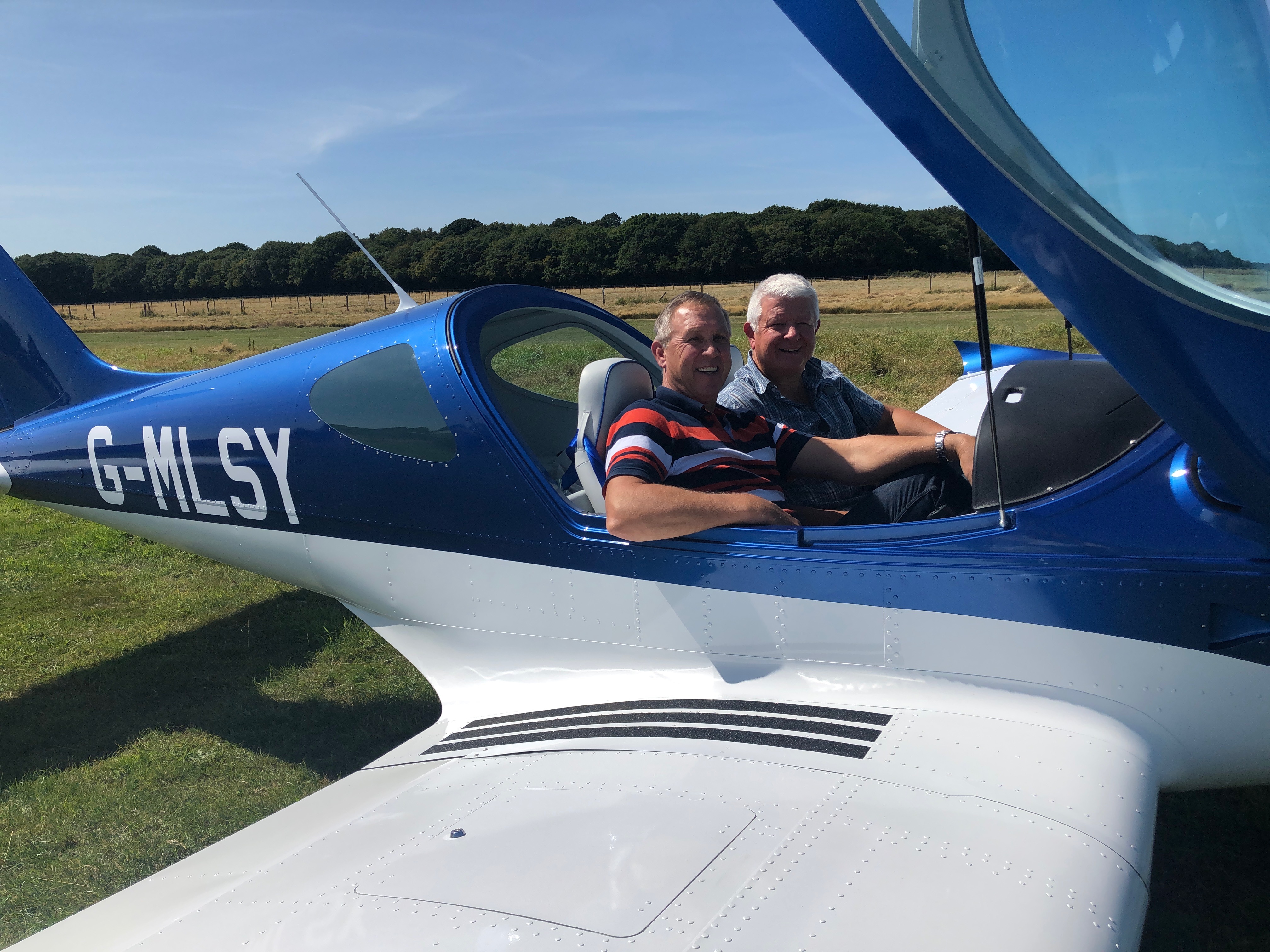
Today, Tom and his Mum came down to visit so Tom got a ‘fast’ taxi run – my first passenger!
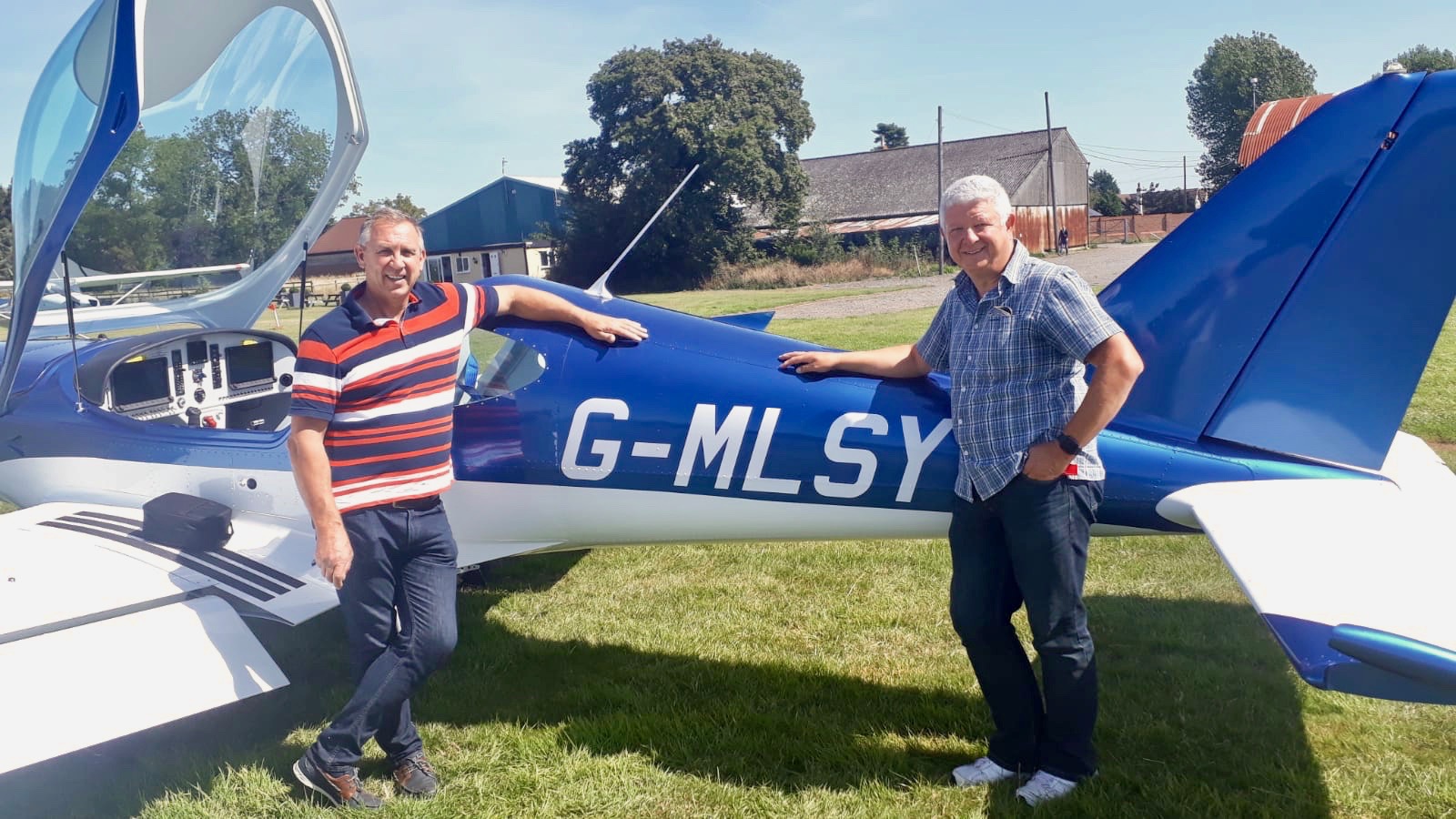
Today is the anniversary of gaining my PPL 17 years ago, so it was quite fitting that today G-MLSY is officially finished.
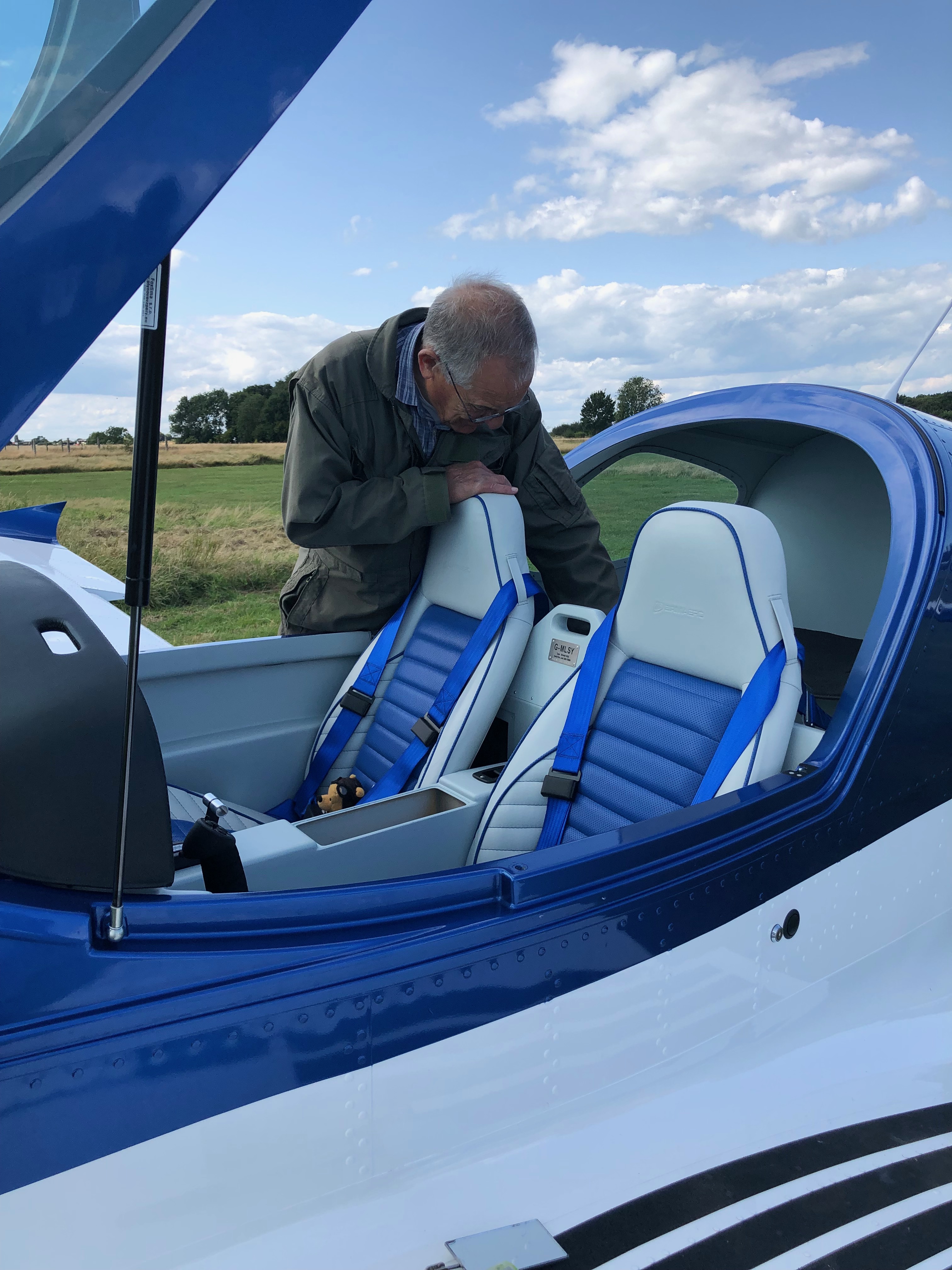
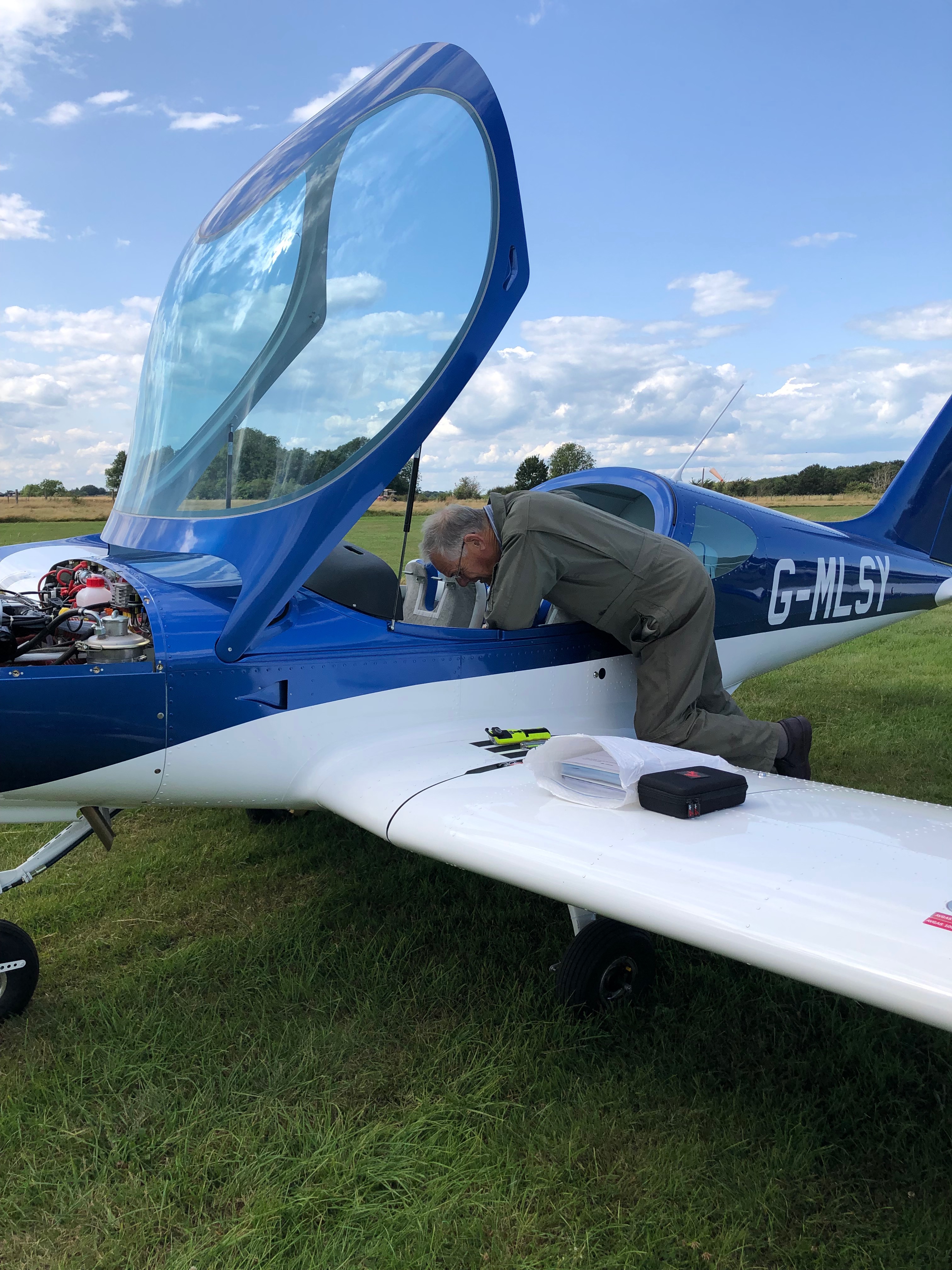
Ian inspected every single millimetre of the aircraft on Tuesday and Graham Smith spent the whole morning doing a very similar inspection and also reviewed all the paperwork that has been completed over the past few weeks before signing it off.
The result was a solid pass with Graham complimenting me on an immaculately built and presented aircraft. Quite pleased with that!
So now it’s time to gather up all the paperwork and check it thoroughly again the then send to the LAA for the “Application for Issue of a permit to Fly’ to allow it to be test flown.
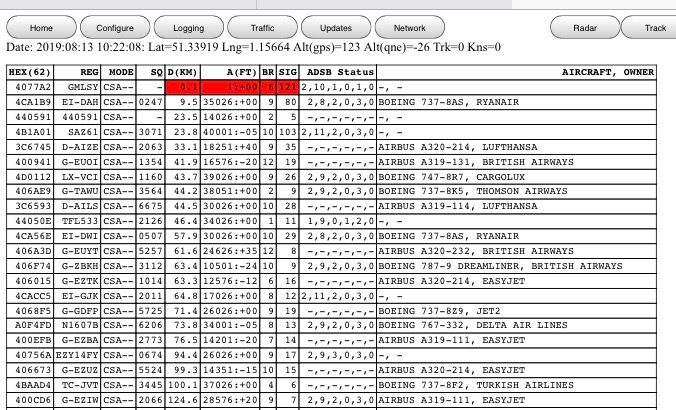
First off today was to get a printout from a PilotAware system to prove that my Aircraft is transmitting the correct codes. This has to be done as a part of the Avionics approvals.Ian starting the inspection. He has already seen every stage of the build as he regularly visited my workshop but this super inspection still needs to be done and all the paperwork associated, done!All the inspection panels are off and the seats are removed to ensure he can get to the autopilot and controls. This inspection took all day. Graham and I had to carry out a joint inspection before he could sign it off the final, final inspection sheets but it’s all good The only thing I forgot to do was take a picture of him doing it!
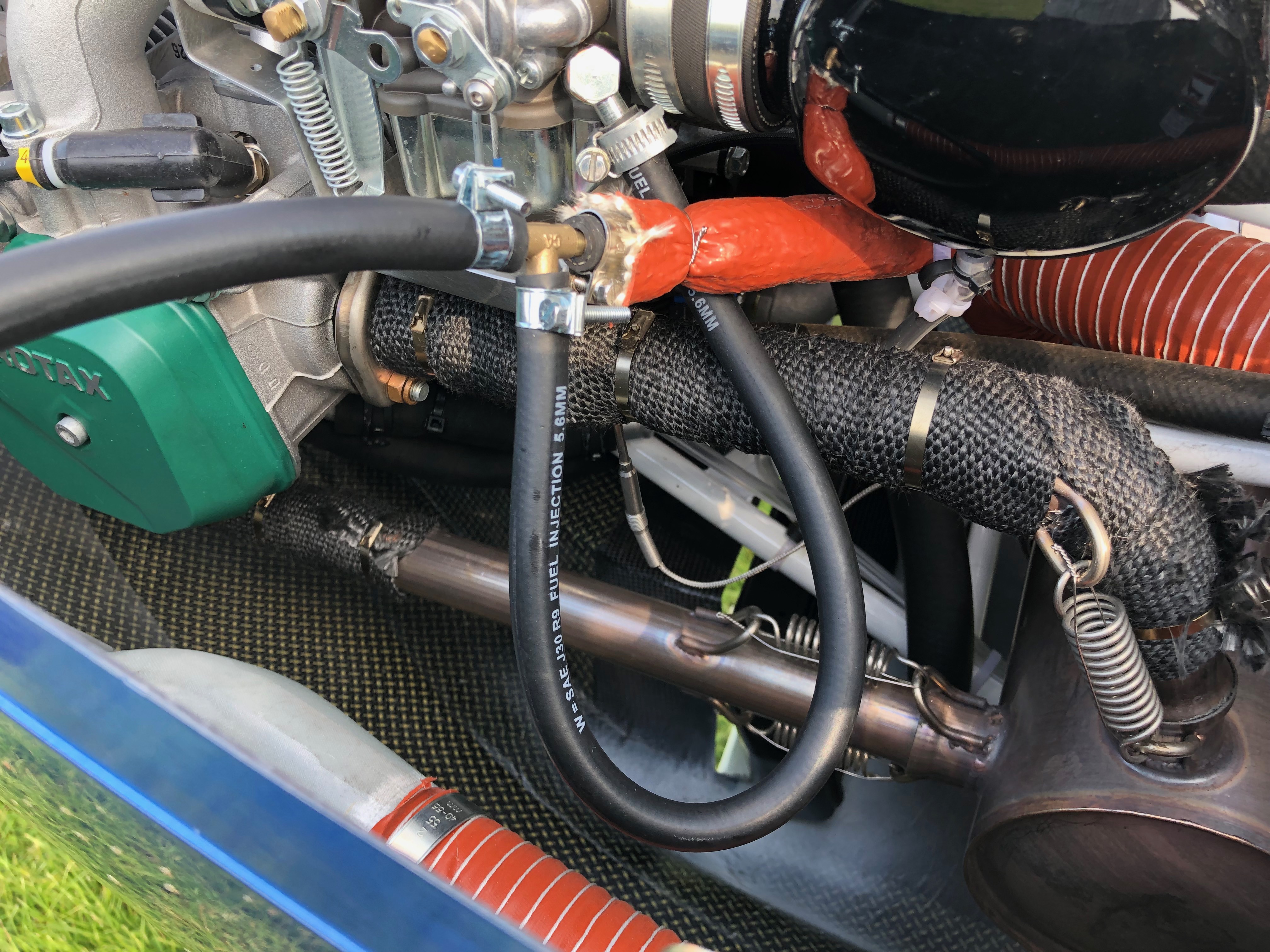
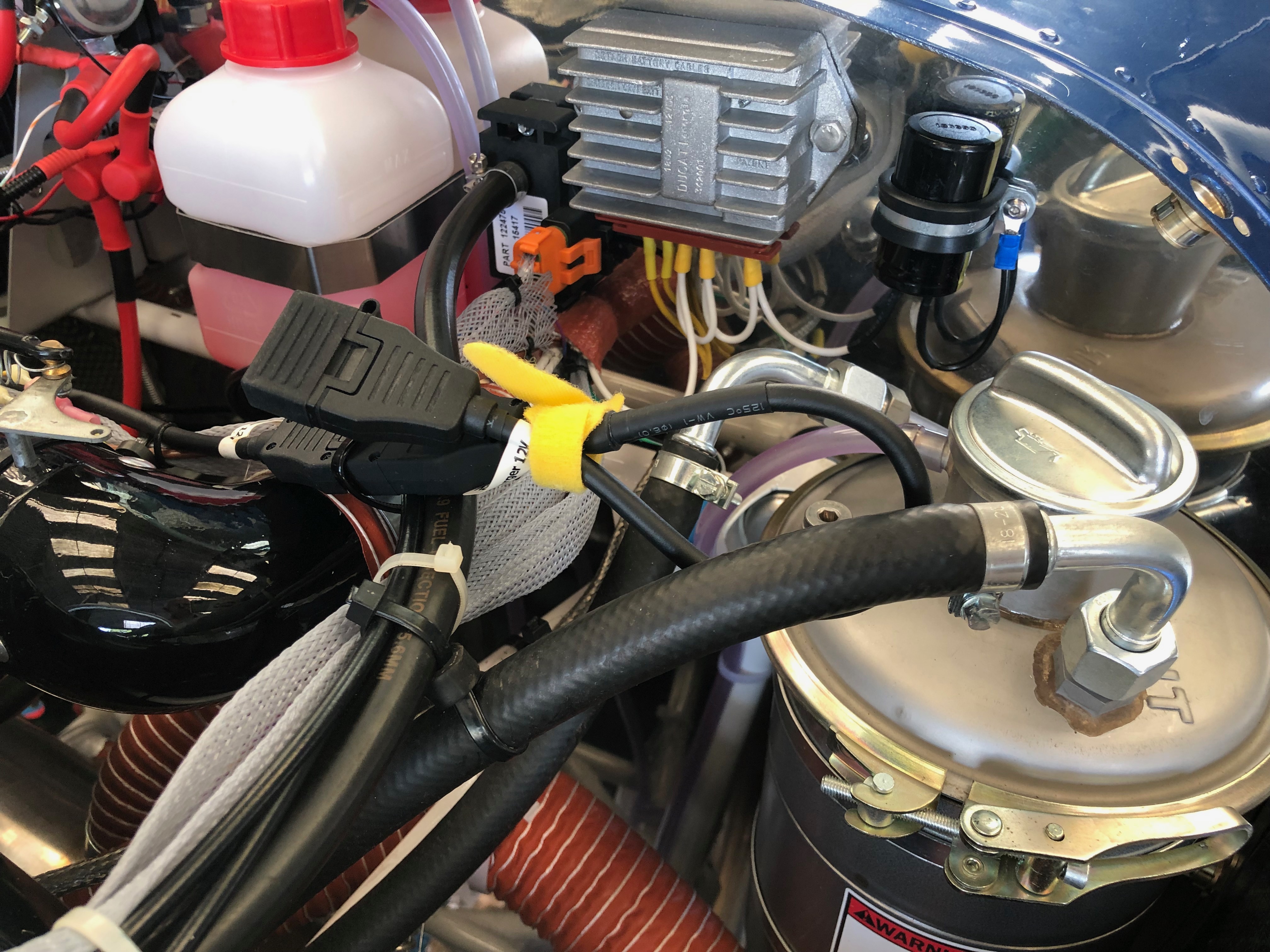
One of the jobs that I’ve not looked forward to is the fuel flow test. Not because it’s difficult or complicated but more that it seems dangerous. It involves taking a feed off of the carb line and running a long pipe away from the engine and prop. Several timed measurements take place using the electric pump on it’s own with the engine stopped, one with the engine running at full bore using just the mechanical pump and one with the mechanical and electric pumps working together. The aircraft has to be choked and Ian offered to do the work outside the cockpit. We used radios to signal the start and stop of each engine run.
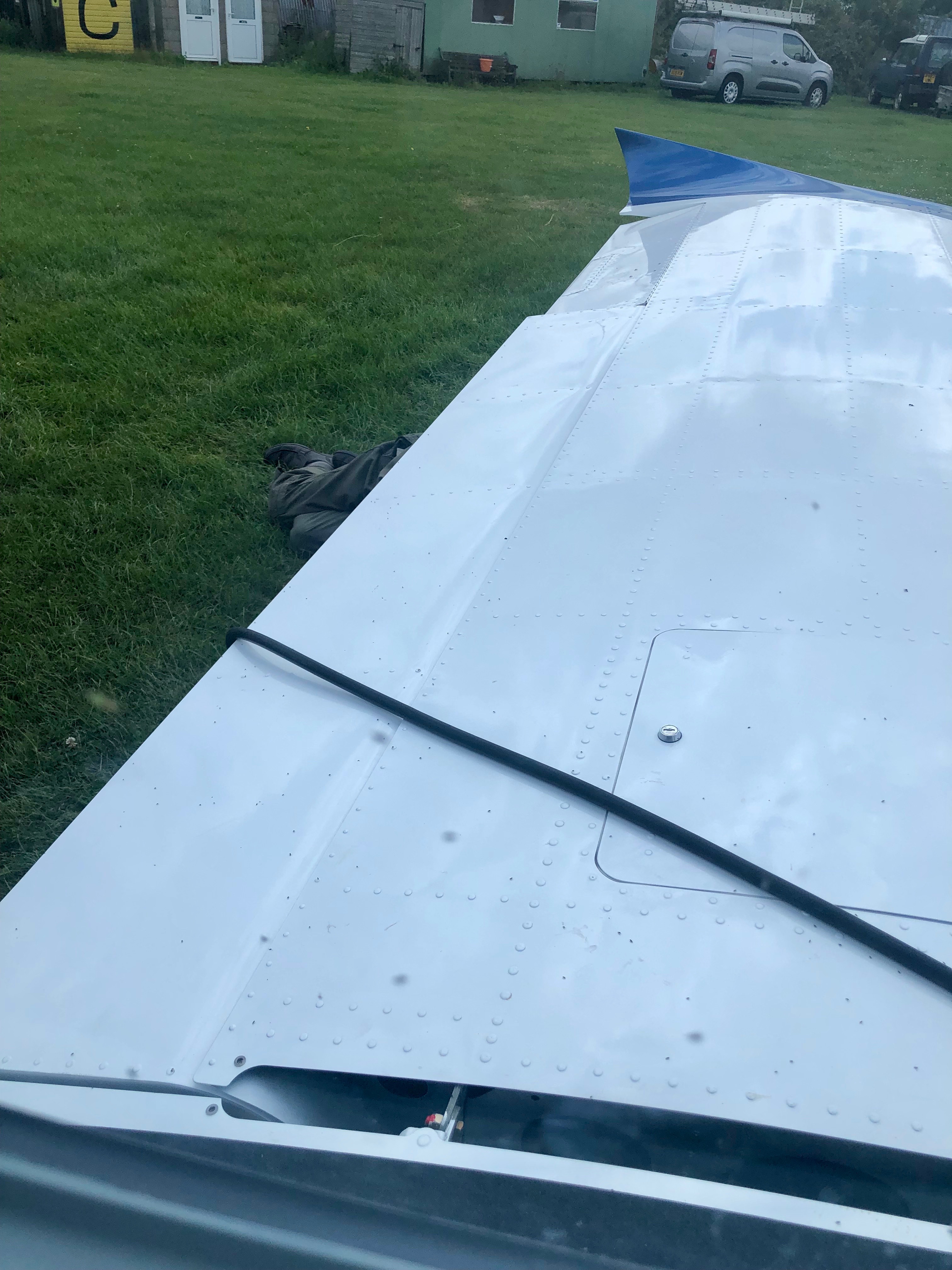
The run off from the carb fuel line using a ‘Tee’Ian hiding under the wing carrying out the fuel & time measurements. For the electric pump only run the amount that needs to flow is 125% of the maximum litres per hour for the Rotax. For the measurements where the engine is running at full bore, 27 litres will be used by the engine before any excess is collected so the excess should be 25% of the maximum per hour fuel amount so were expecting 6.75 litres as a minimum.The T&Ps at full chat look ok and the fuel flow results are far in excess of what’s required. Poor Ian need a new set of ears now though!
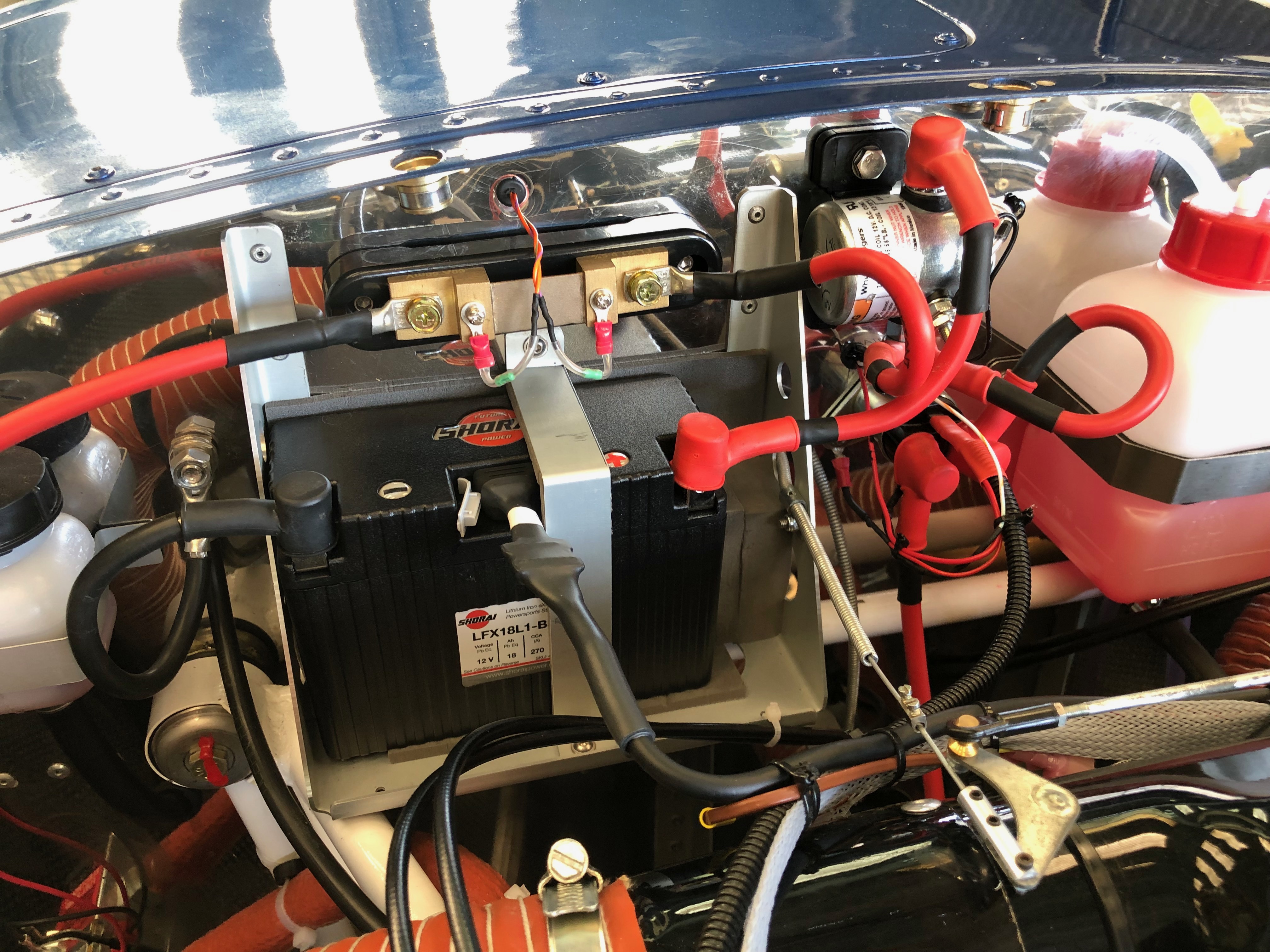
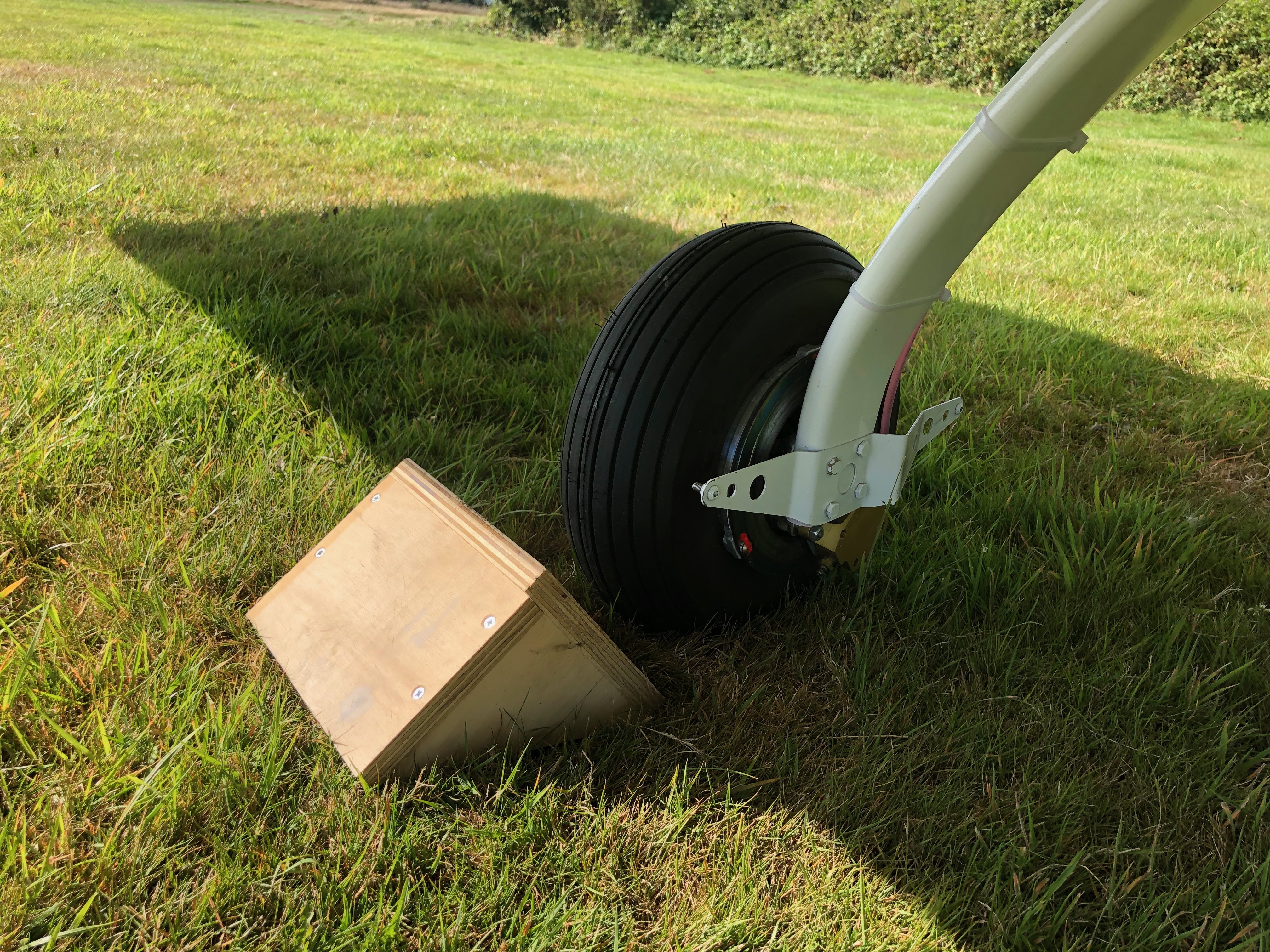
With the aircraft substantially complete and awaiting Ian to return to carry out some sign-offs I’m finishing off some smaller jobs that I can do whilst I wait. This includes adding a few more placards and labels, some more taxiing to check nose wheel alignment and brake operation, a couple of engine runs to check its operation and allow me to run to maximum RPM so I can set the fine pitch stop on the Airmaster prop. I’ve also purchased a battery charger for for the Shorai Lithium Iron Phosphate battery that I’ve fitted that balances the cells and ensures a better operation. The upside to this is that it comes with a special lead that fits to the centre port of the battery and not the usual batter terminal. This allows it to be permanently fitted.
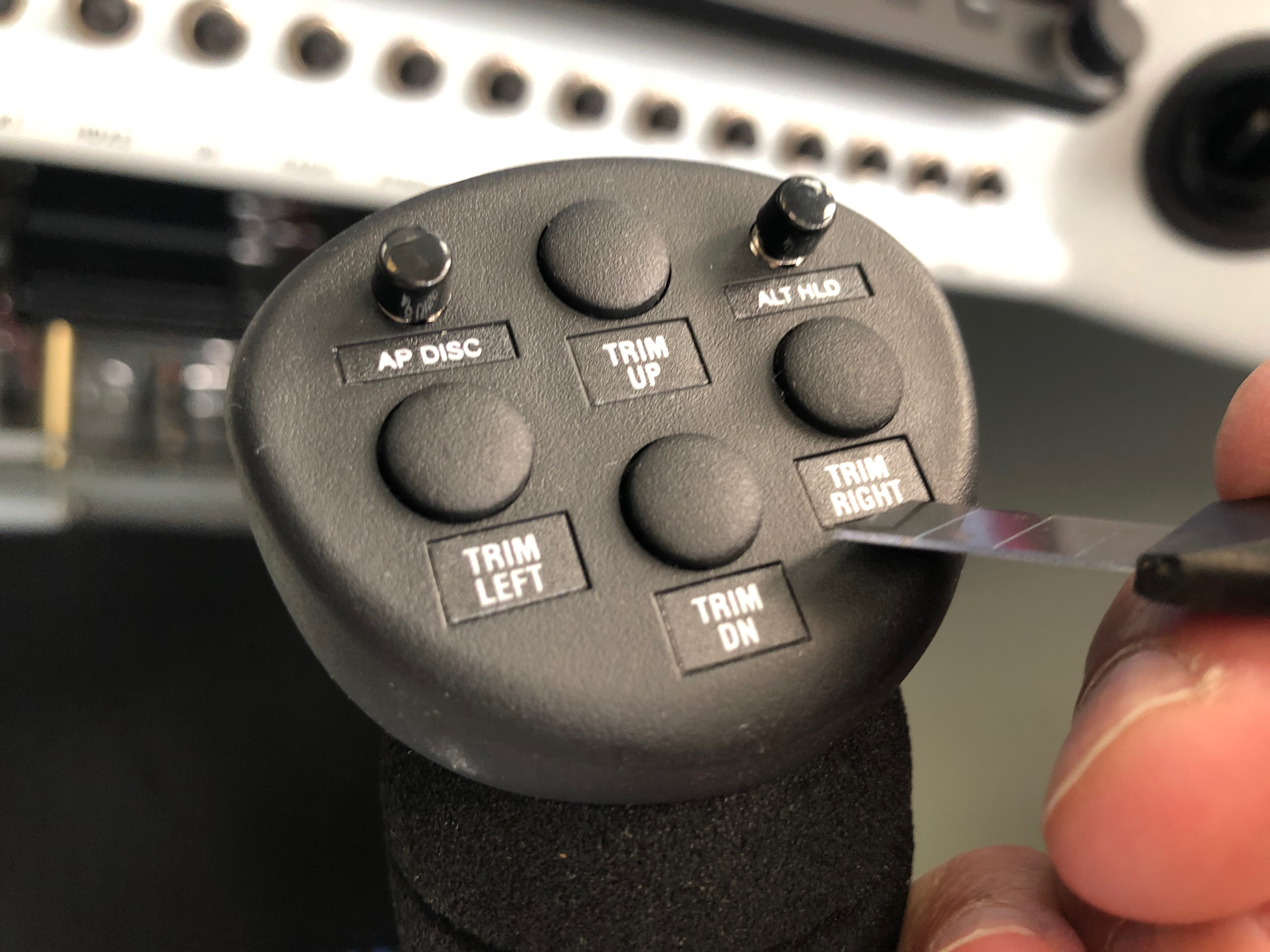
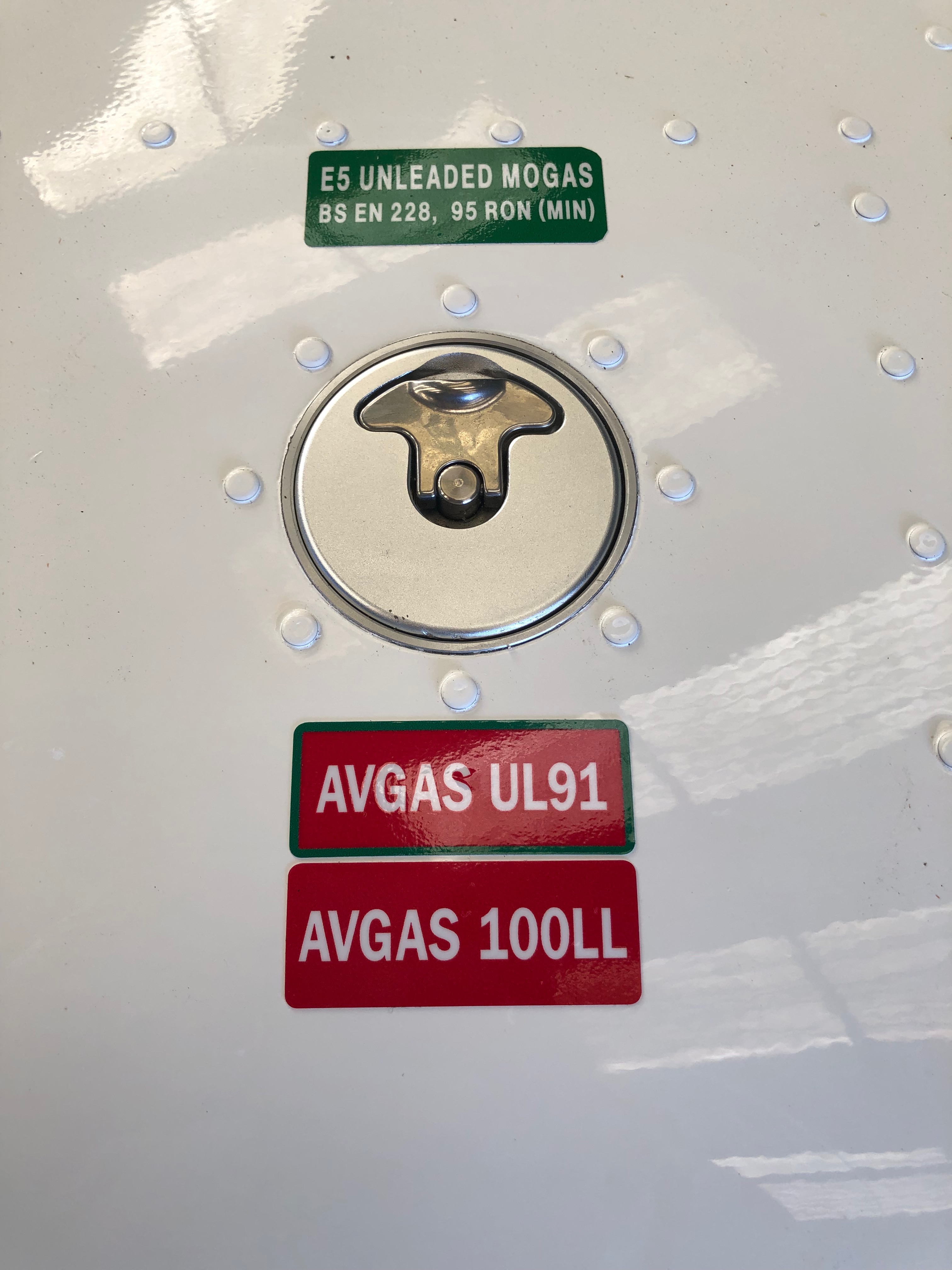
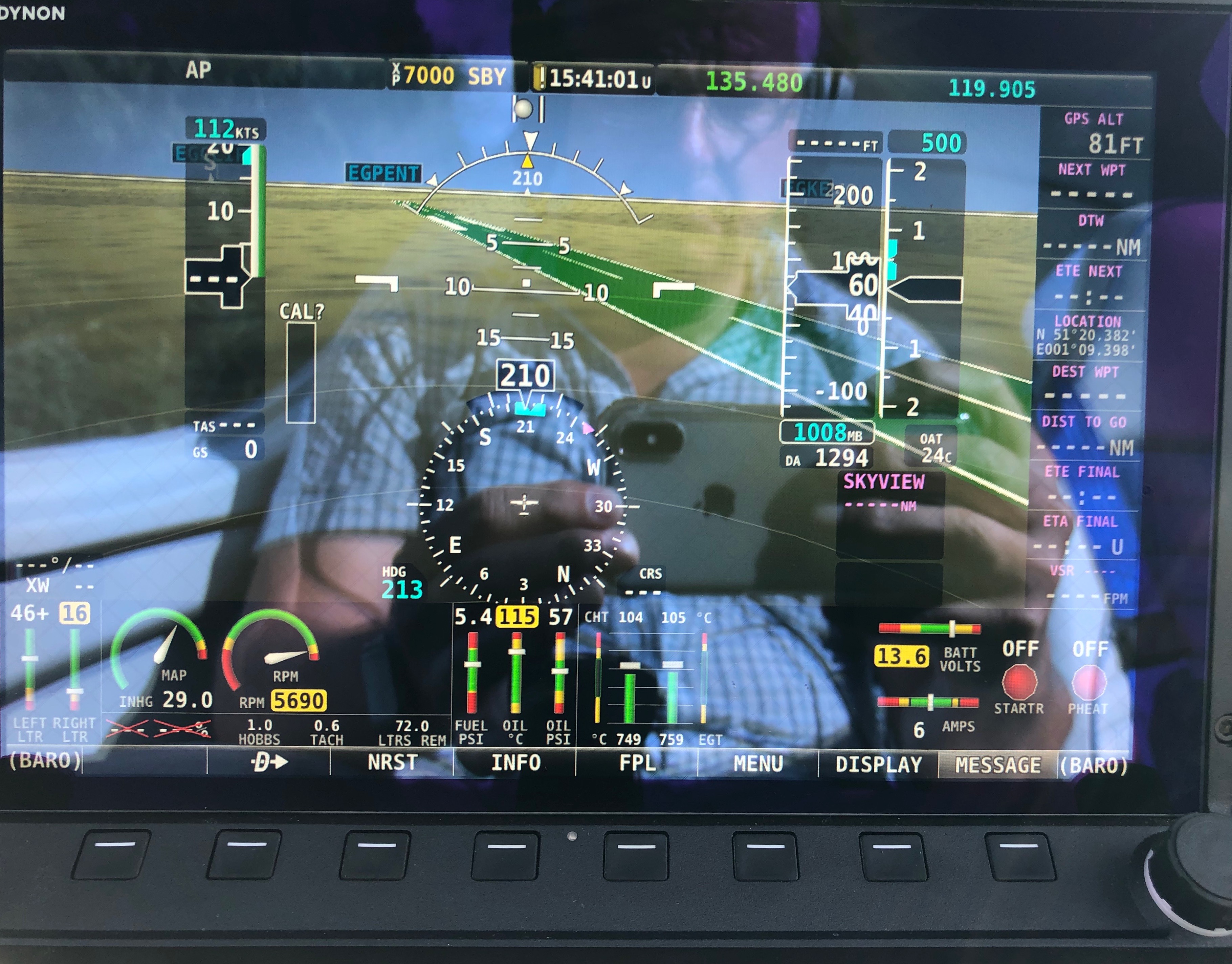
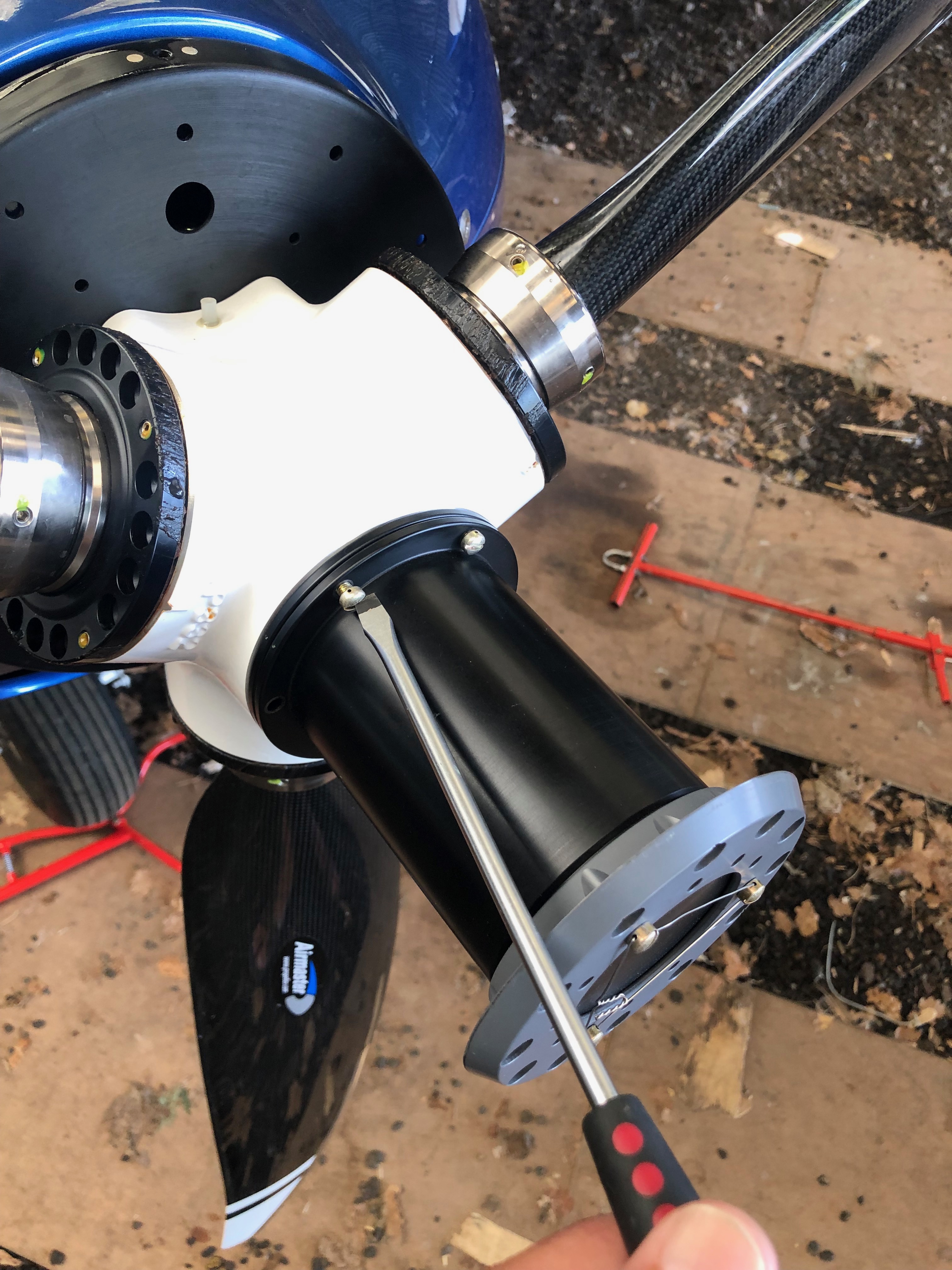
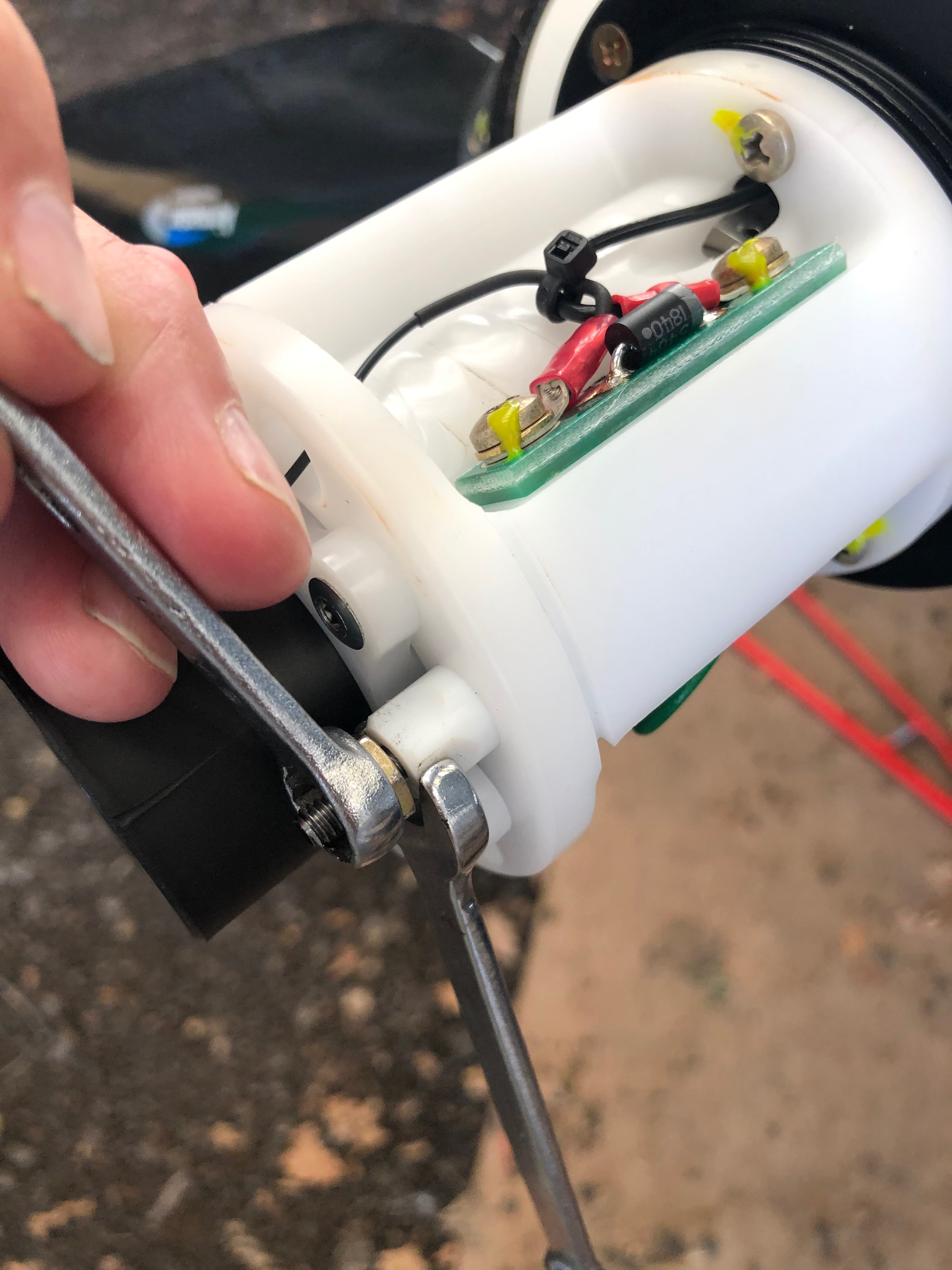
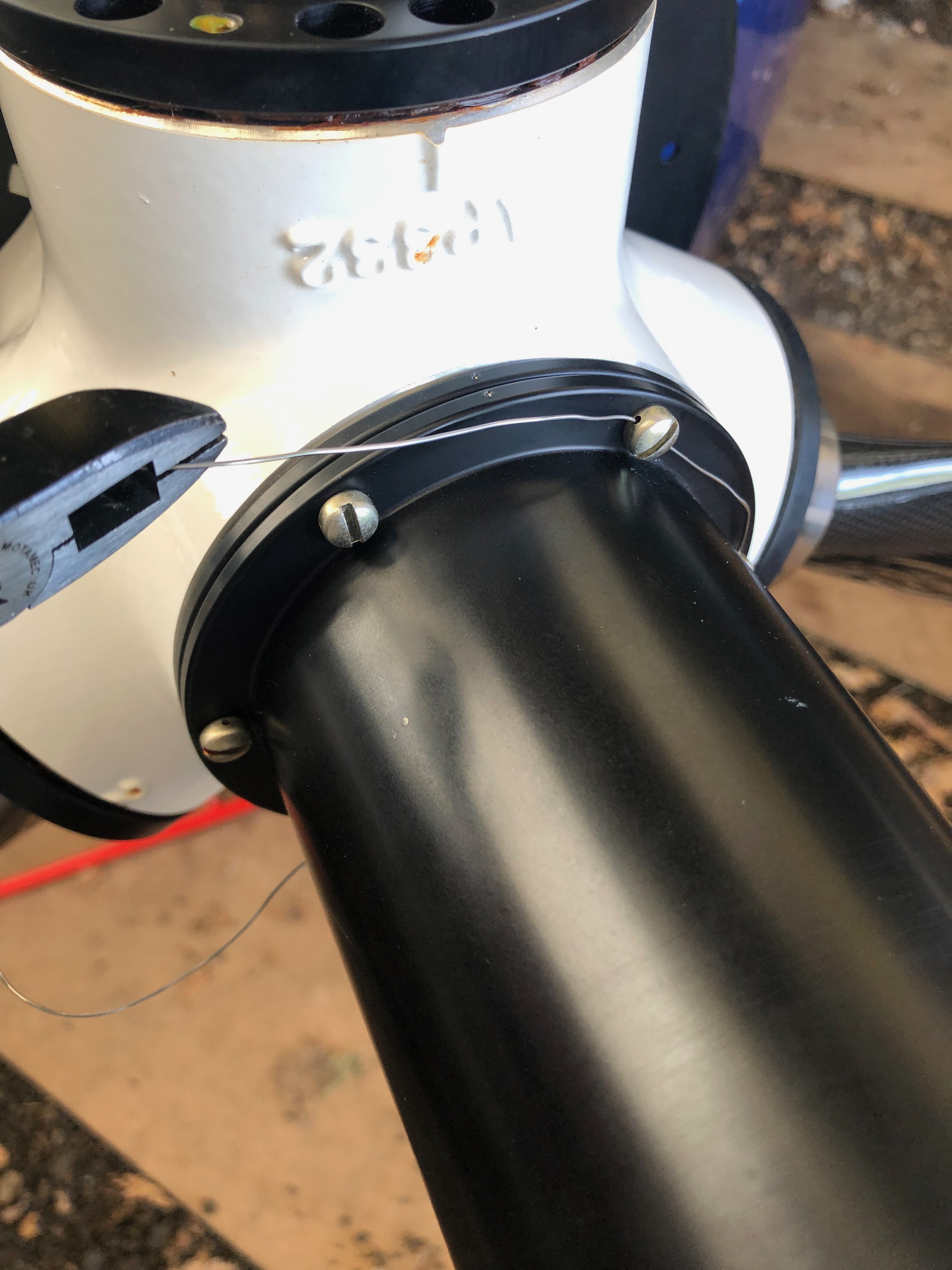
The Bristell kit comes with G405 stick grips but I wanted to put the autopilot disconnect and autopilot level buttons on the grip. so I have installed G407 grips instead. It comes with a variety of labels to identify the button function.The Rotax 912 ULS can run on a variety of fuels but unless you placard them a refuelled may not fill with the option you request. I got the MOGAS sticker from the LAA and Chris Knight from Maypole had a few of the AVGAS UL91 and 100LL stickers.As the special battery charge lead plugs into the centre port I had to move the battery slightly off centre by moving the packing but was an easier option than re-siting the battery retaining strap.I’ve run the charge lead to the oil inspection hatch which will allow me to charge the battery or keep it in maintenance mode without taking the top engine cowl off. Quite a neat solution. One of the things I needed to do was set the Airmaster fine pitch. This involves putting the prop in manual mode and throttling up to just under maximum RPM at 5700. Once this is done then the engine can be shut down and the adjustment made.Took this just to record some sensor readings at max RPM. Oil temp is a little high which may be because I’ve been stationary whilst running the engine at high RPM. I will be checking that…Now I’ve set the prop pitch so the engine peaks at 5700 I can set the fine pitch cam. The pitch motor cover is removed to reveal the microswitches and cam adjusters…The locking nut is undone and the cam adjuster is turned until you hear the microswitch operate and that’s it – very simple. All that’s required is to reassemble the pitch motor cover and now the fine pitch has been set I can wire lock the screws to make sure that it doesn’t loosen whilst in operation.
I must admit the more I work with the Airmaster prop the more I’m impressed with the quality and engineering. It’s brilliantly simple and well worth the extra I paid. It will be good to see what the performance when it finally flies but from what I’ve seen so far has impressed me. I can virtually guarantee maximum RPM for takeoff and tune the prop for climb and cruise. The fact that it has a 2000 hour TBO to match the Rotax and it’s user maintainable at 100 hours intervals means it will be very cost effective over the coming years.
It was a long weekend which ended with a complicated Monday.
On Saturday I flew into Palmers Farm for a Bristell Fly In organised by Tony Palmer one of the owners of Bristell UK. It wasn’t planned but luckily Chris Knight who owns G-CILL had some free time so asked if I’d like to go with him.
Sunday was a tugging duty in tricky ESE winds which was quite demanding and takes a lot of concentration.
And on Monday I was supposed to fly some family in my other Aircraft which is a Grob 109b, Unfortunately it went ‘Tech’ and despite speaking to the aircraft maintainer to try fo fix it it was quite obvious by 1300 that it needed major surgery. I managed to fly everyone but had to use one of London Gliding Clubs DR400s instead. This proved a better option in the end as there were 12 people to fly.
Tuesday was a ‘rest day’ but I decided to use it to complete some of the paperwork that needs to be done including the Weight & Balance calculations which I’m pleased to say worked out ok. All of these forms need a sign-off so will have to be done when Ian returns.
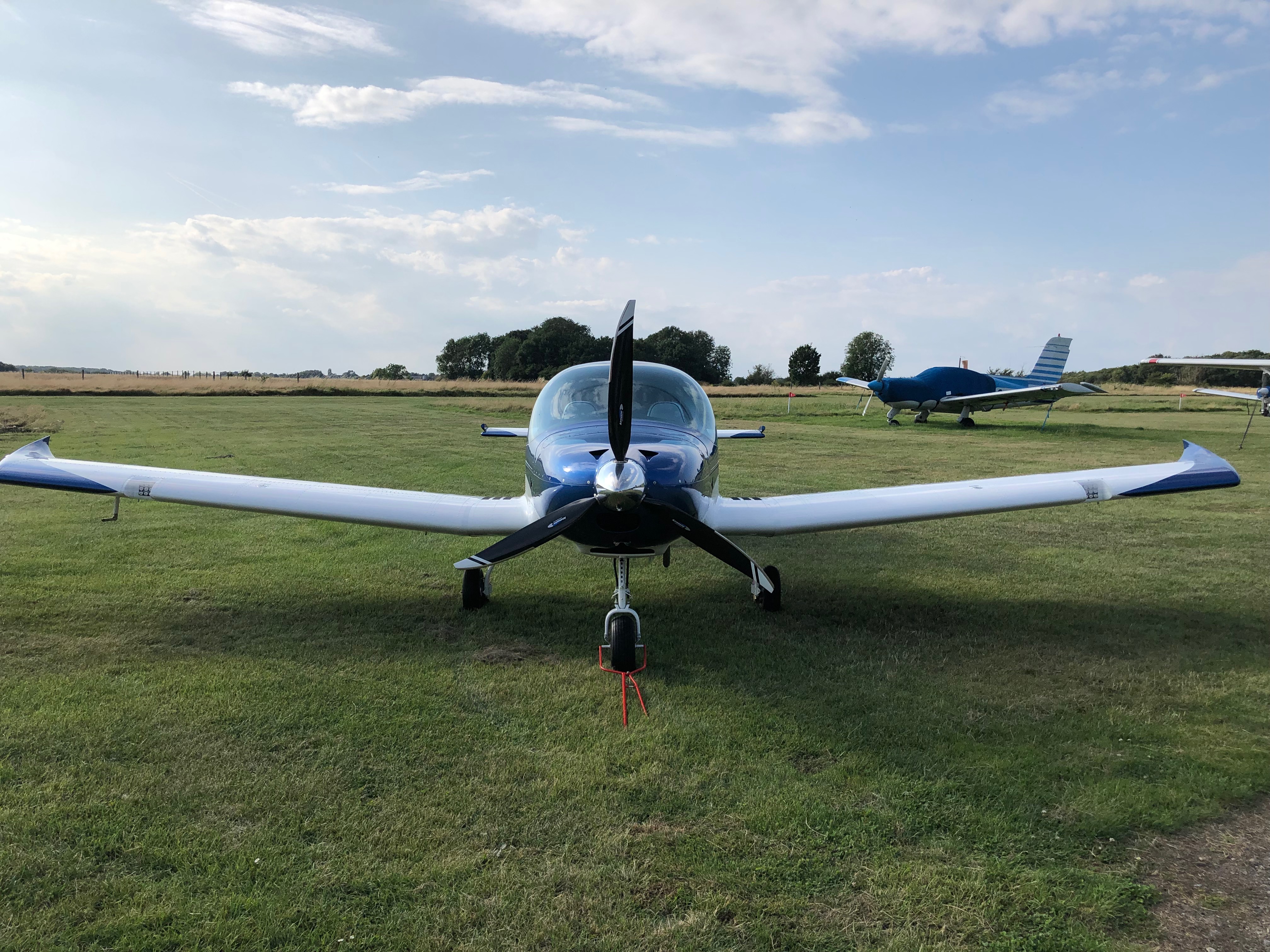
With the aircraft largely finished it’s time for some more engine testing, taxiing and a wash and polish.
There’s very little to do now, it’s now come to the time that all the paperwork needs to be completed and signed off by my inspector. Unfortunately he’s not been around for a while and is unlikely to be for a week or two so all I can do is make sure that when he returns that everything is ready for him.
Once he signs off everything I have to have another inspector come to do a ‘Final Inspection Before First Flight’ after which I can send all the paperwork to the LAA to request an approval for its first test flight.
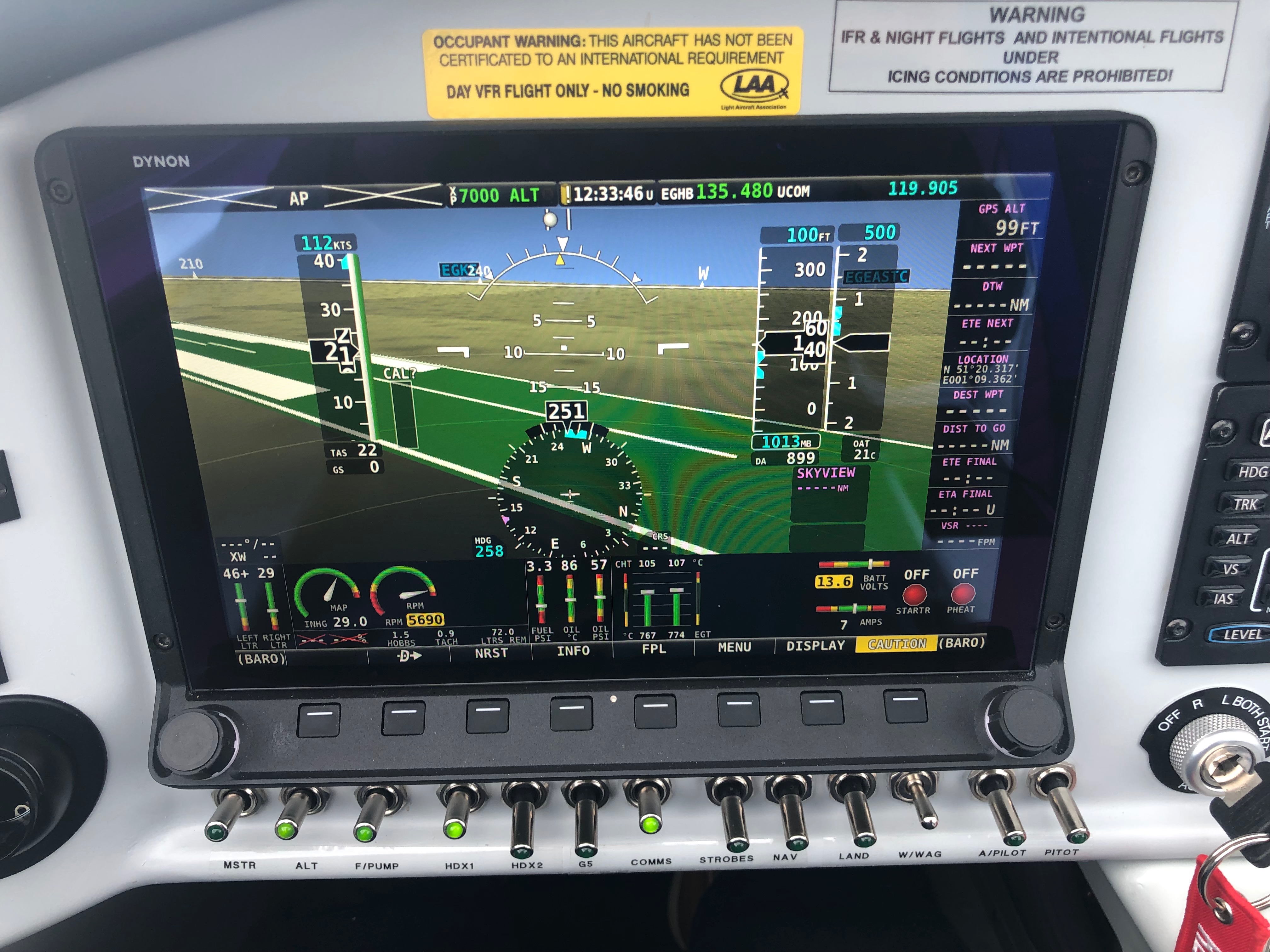
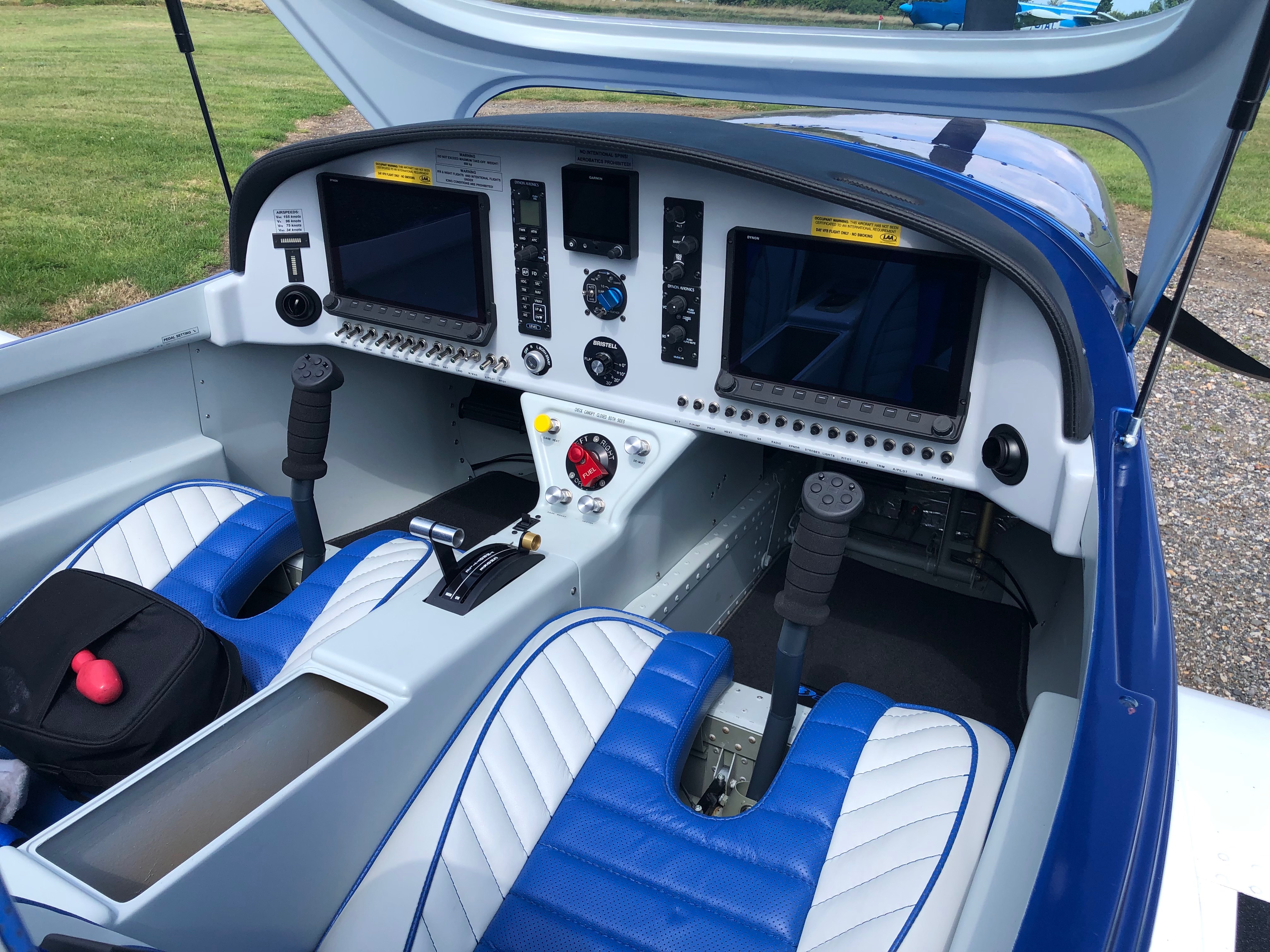
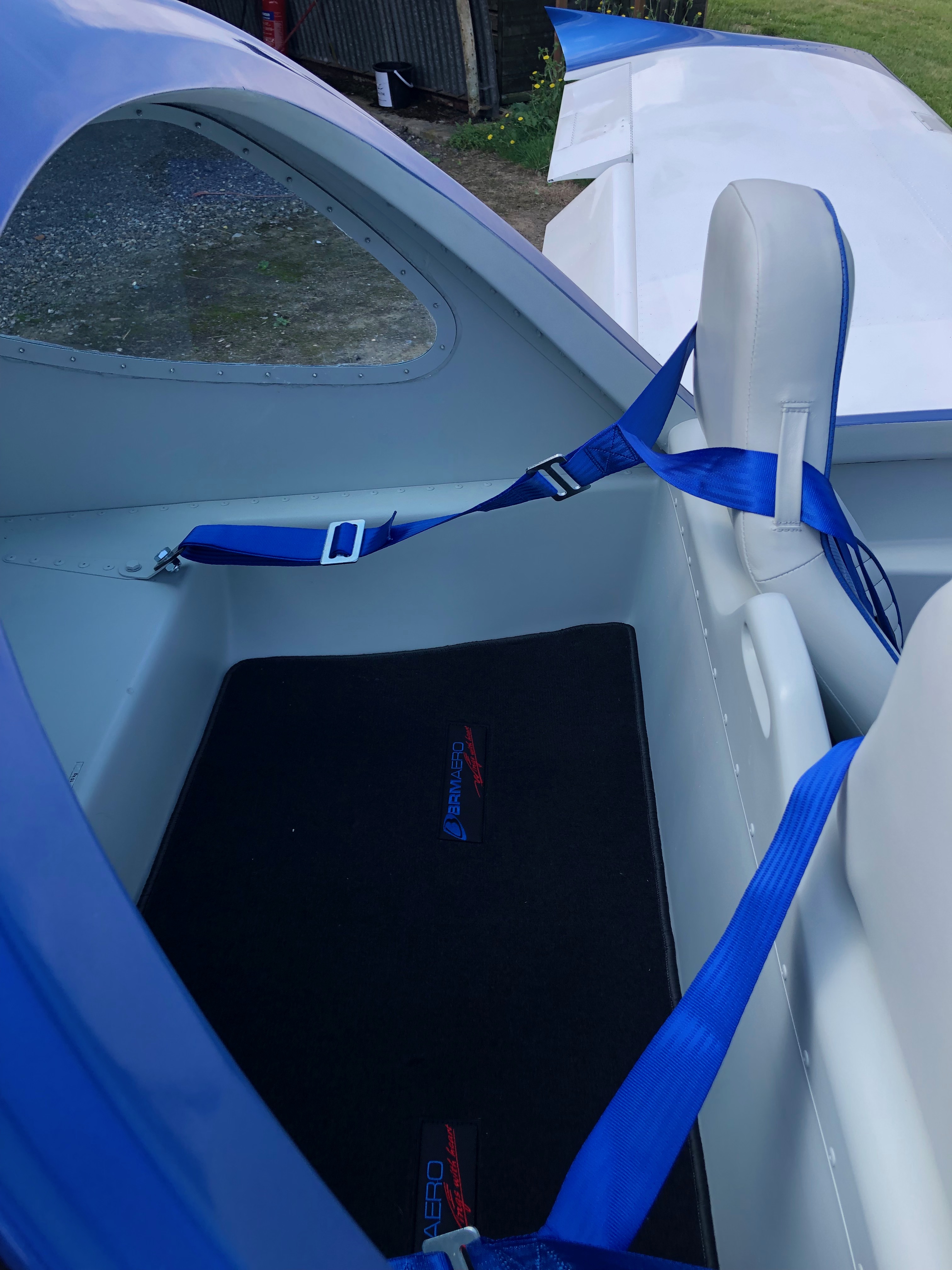
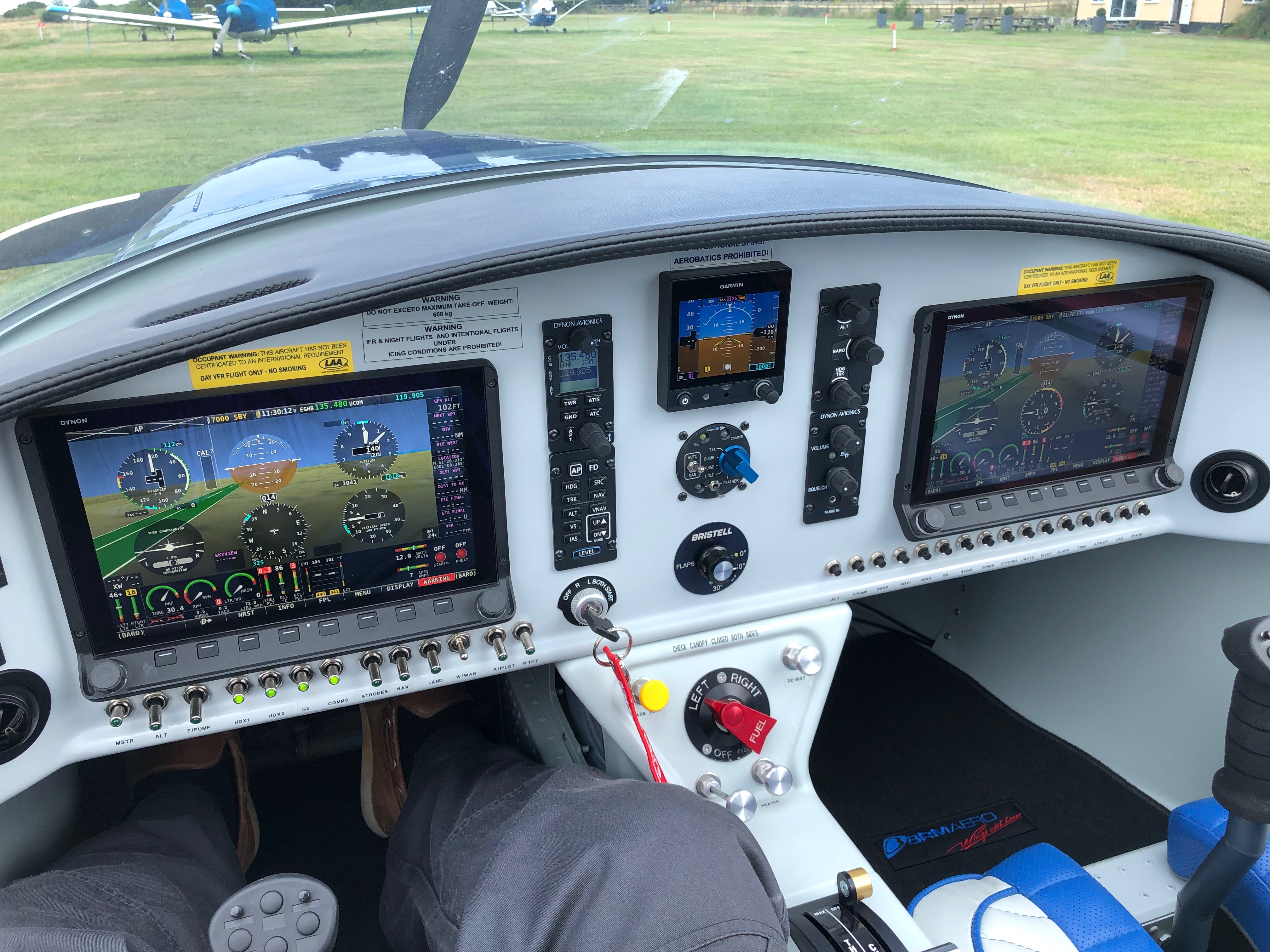
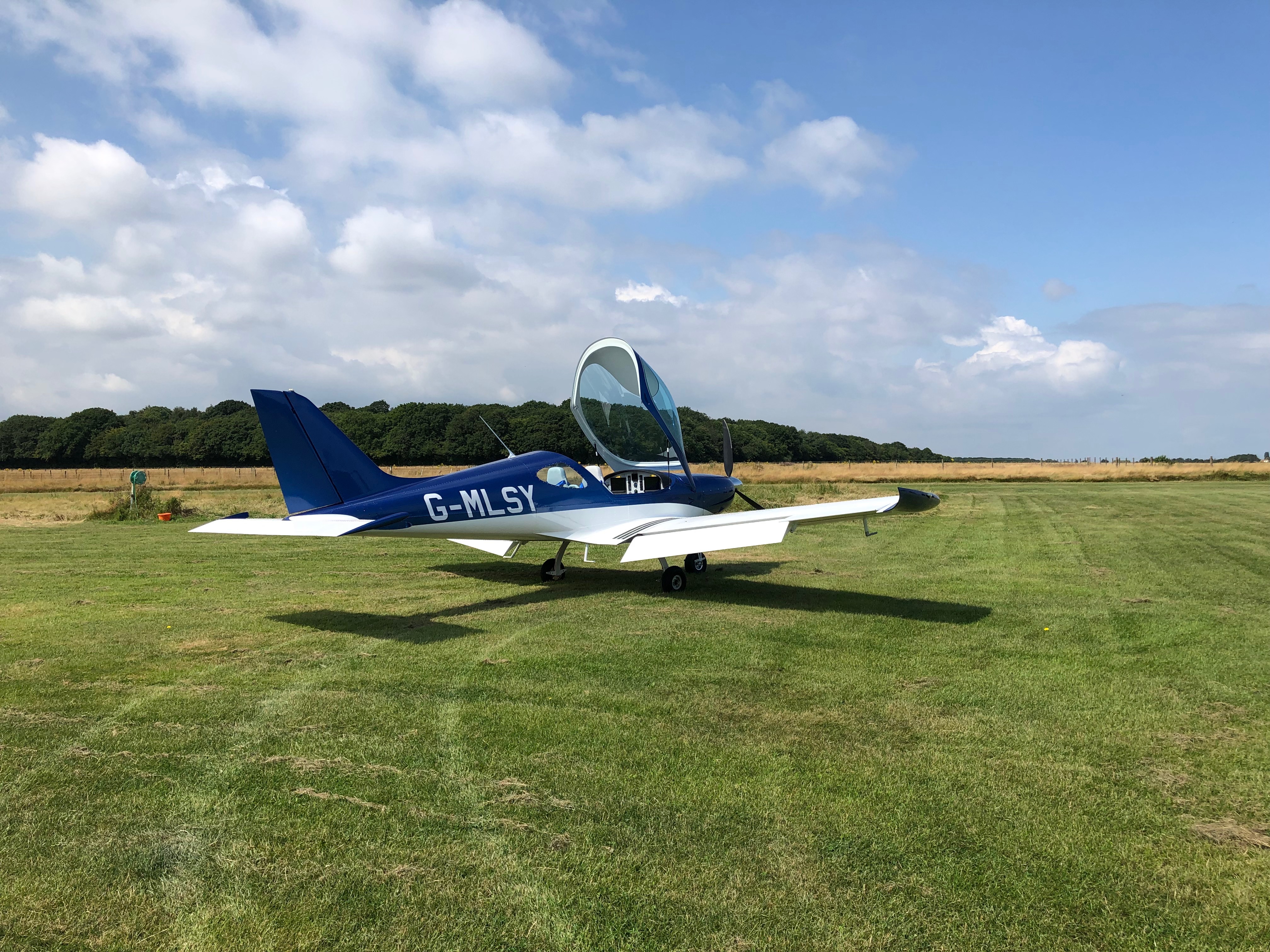
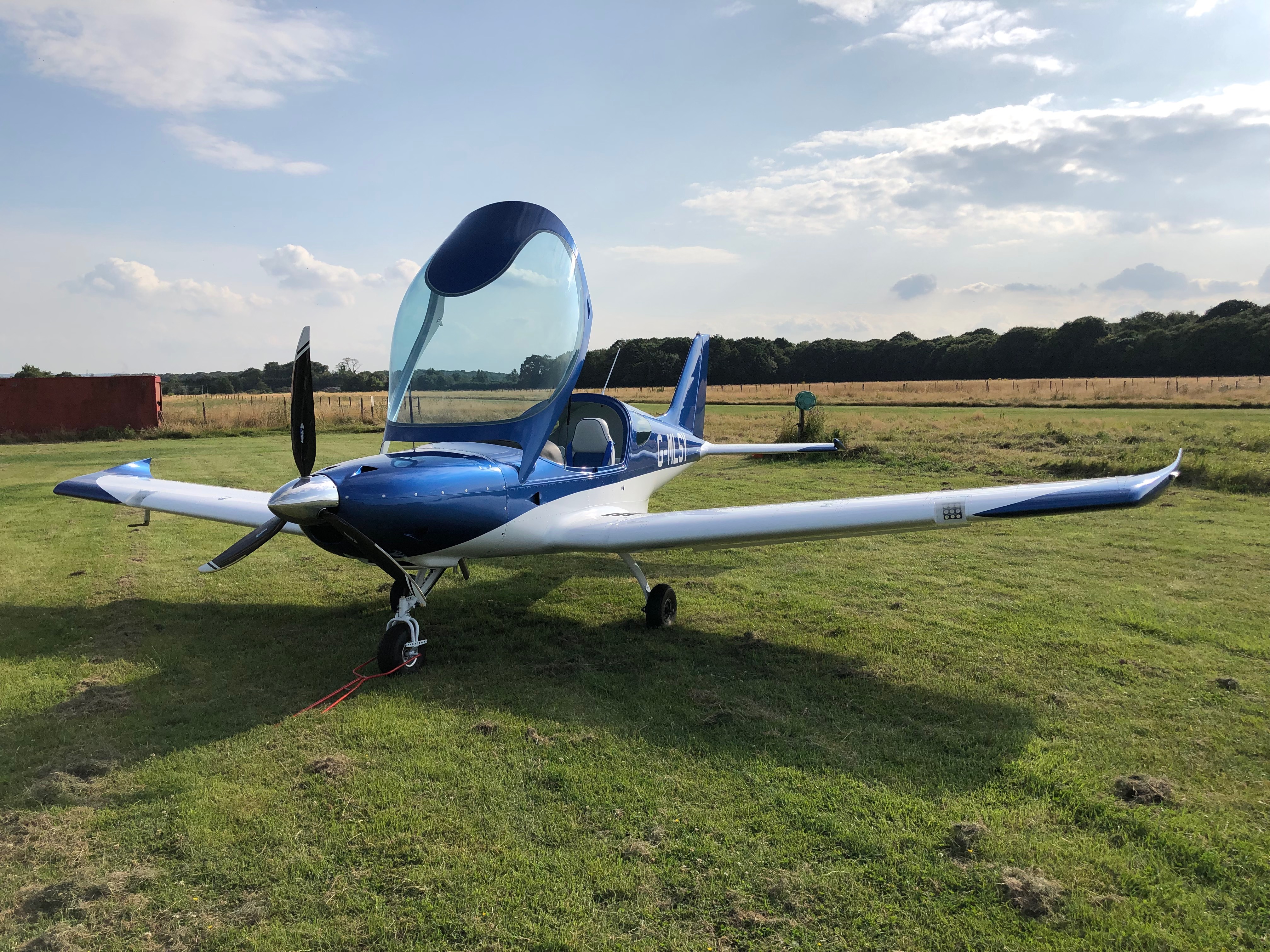
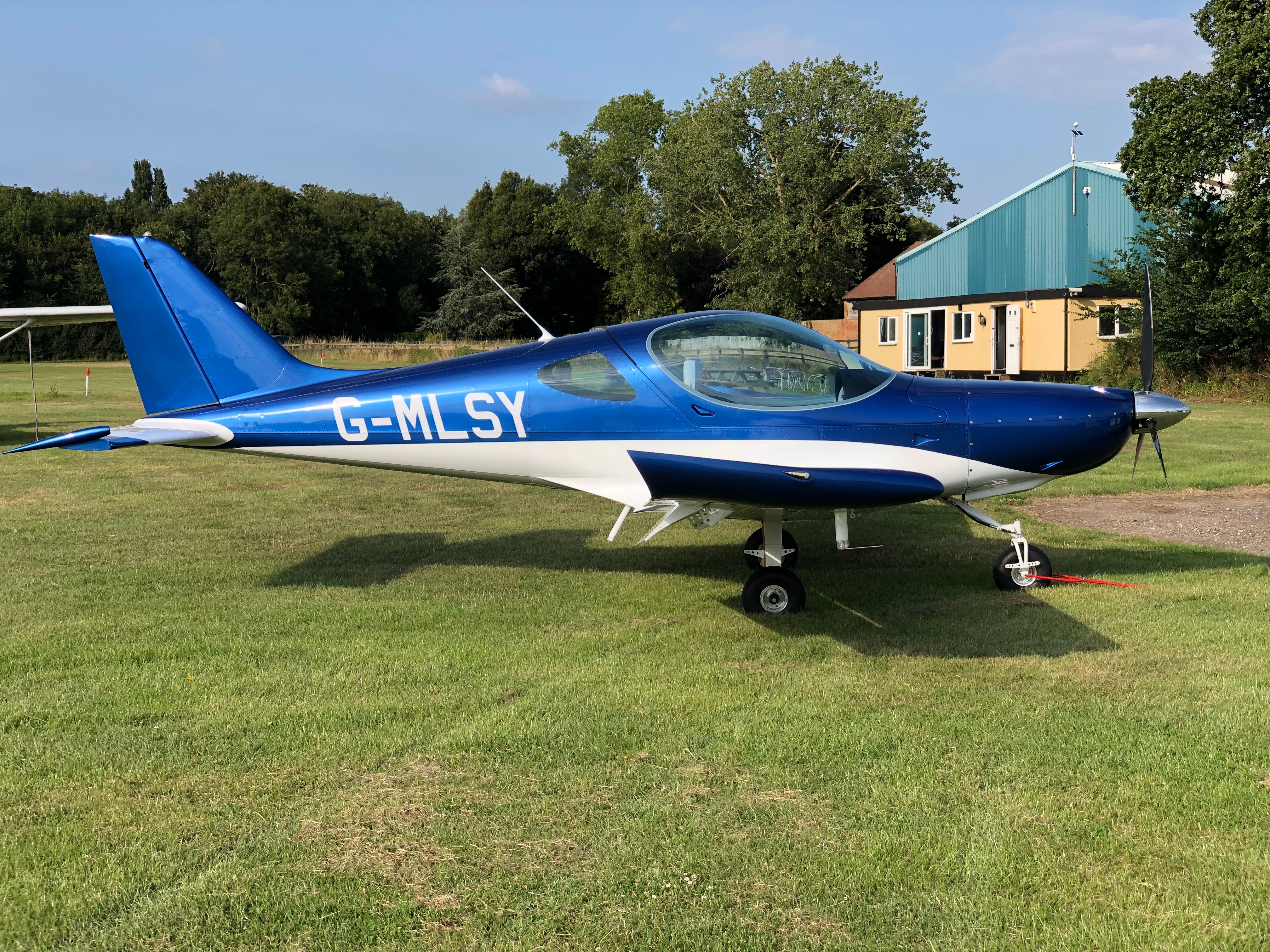
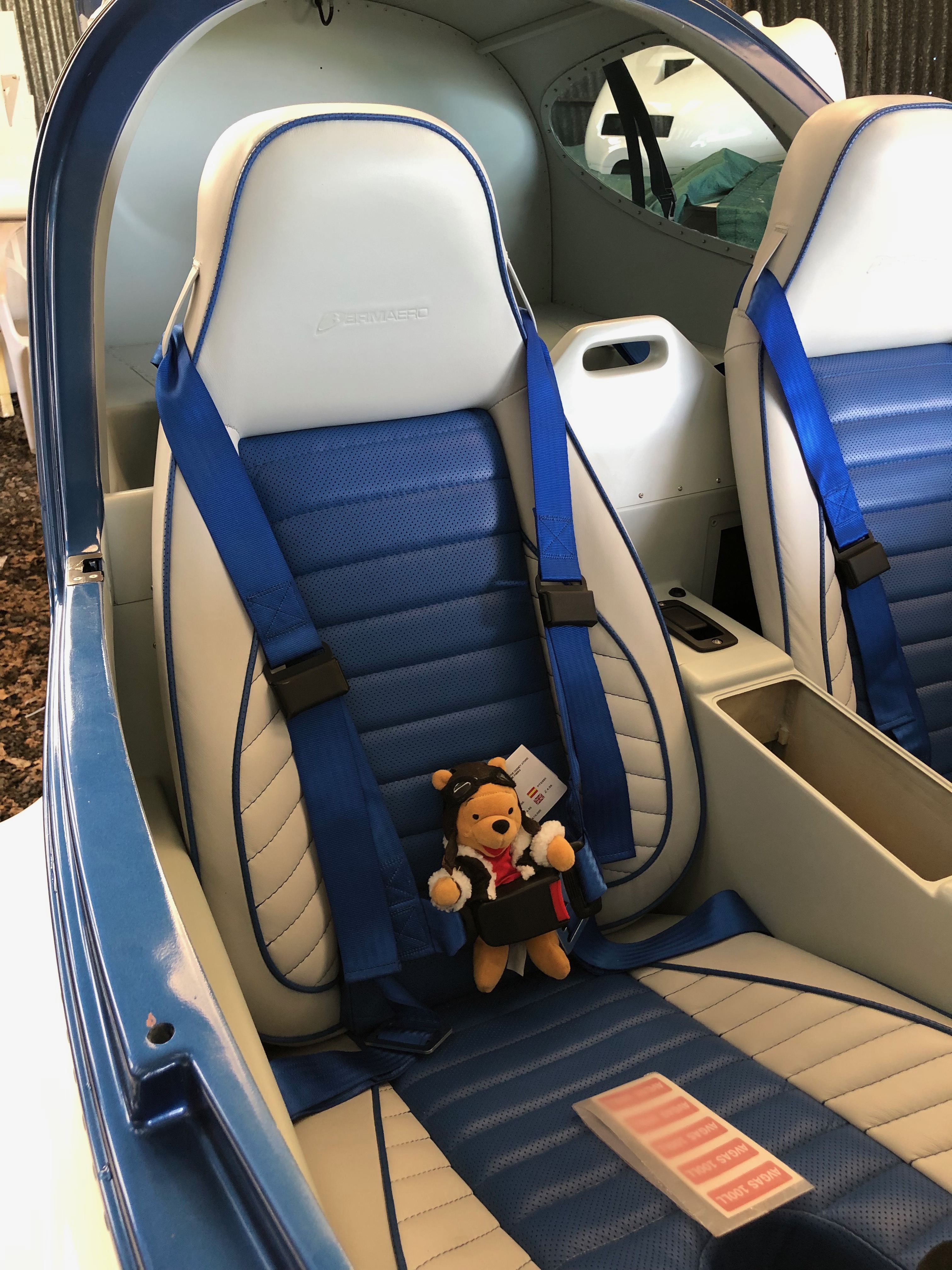
Time for the mats – footwell……and rear baggage compartment.The Dynon screens are very versatile and can be configured in a variety of ways. This is a traditional ‘6 pack’ mode.During the build the aircraft gets very dusty so it was time for a wash and a little polish. It was certainly much shinier afterwards.Just a couple of shots from different angles…Pilot Pooh or if you say it quickly enough it sounds like ‘Pile of Poo’! all strapped in and ready to go…
Following the build of my Bristell NG5 Kit No. 382 Registration G-MLSY








 G-MLSY